



 Strut Nine
Event Management
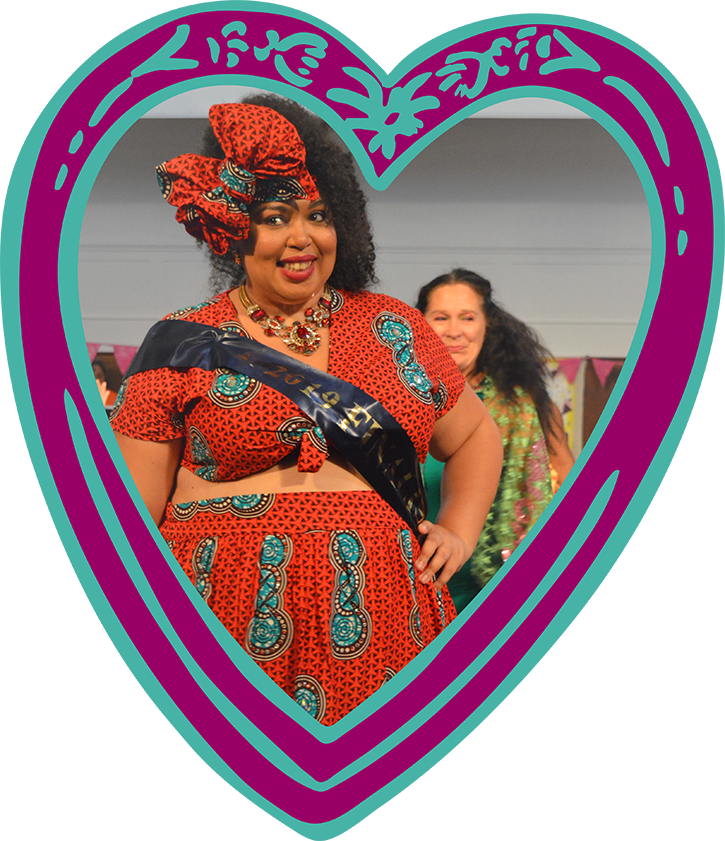
This Strut is about managing the process of building the Catwalk4Power event and all the things that need to be done ‘behind the scenes’ to make the event happen.
Every Catwalk4Power (C4P) event we have created has differed in format style, even though all of our events were based on the same framework model. In every case, each has required a strategic plan to build the event over weeks or months, plus a core group of organisers to oversee this process. Whether a performance plan involves ten or forty people, C4P is typically made up of two major work areas:
- those who perform; and
- those who organise, behind the scenes.
Members often interchange between both areas, depending on their various responsibilities across the team.
There will be many workshops to plan and schedule plus lots of tasks and work areas to delegate. In our experience, most of our catwalk events have had a three-to-four month lead-in time.
Below is a list of considerations to assist you with your event management plan. Not all areas will be relevant to you and this list can of course be simplified and edited to suit the size and format of your event. We have run some catwalk shows as very simple community events and these were fairly straight-forward to organise. Do not be daunted. Ask among your groups and friendship circles, whether anyone has ever organised any events; maybe for a local school, at a church or mosque, or even a family wedding. Remember that while it is great to have a structure in place, be open to changing plans. Remain flexible.
This schedule is also available as downloadable PDF.
| 4-to-3 months prior to the main C4P event | |
| Task | Examples from our C4P experience |
|---|---|
| What is the aim of your event? | To empower women living with HIV through a series of creative workshops that build toward a main catwalk event. To raise public awareness of the issues women living with HIV face. To educate the broader public on HIV diagnosis, support, treatment, and prevention |
| What is the timeline? | 4 months planning, plus preparatory creative workshops leading to the main event. |
| What is the event date? | ??/??/?? |
| Assemble a core organising team.
With your core team, devise a master plan. | This could be 2-to-6 people who oversee a range of areas and are able to delegate tasks. This team oversee most of the behind-the-scenes admin. It’s a god idea to have a nominated leader, guiding the whole project, with a core team of managers.
Some key areas of work will include: oversight of the creative and leadership workshop series; venue logistics; liaising with volunteers; vendor management (caterers, external suppliers, etc); media and PR; fundraising management. |
| Budget planning | Is there an existing budget to work with? Create a budget with all aspects that need to be covered, including fundamentals such as: travel expenses, food and beverages, childcare, external supplier fees. If you are working in collaboration with a NGO or an HIV charity, ask if they could help with some of those expenses. You may want to start an online fundraising page. Assign people to undertake this job. The site will need constant monitoring and admin support. Someone with admin or marketing experience will be useful for this task of maintaining a crowdfunding site. See our case study on Fundraising tactics. How much support will be required from volunteers? How many volunteers are there to liaise with and bring into the group. Are there basic expenses to cover food and travel costs for these people? Can they self-fund? |
| Hold a large group meeting to pass on early information and inform participants
of the C4P model we discuss on this site.
Assign some people form the broader group with assisting roles. | In our large group meetings, there has been anywhere from 16-to-35 people at a time. See Strut 2 for more information about setting up a meeting.
What will your C4P project become? When you meet with the broader group of participants, together you can shape this vision. Ask people whether they have heard about a C4P event. Show a video clip or read testimonies from this website. Ask your group for feedback and ideas on what you could build together. Regular meetings build excitement and inspire drive to join in and collaborate. Ask people in the group what particular skills they have, that they think they can contribute at this stage. See Strut 5 to read more about skills and leadership. |
| Organise the venue. | Ask peers from other organising groups for venue ideas. Do group members know of ideal spaces in their neighbourhoods that might be available?
Visit locations with other participants. Is there someone in the group who can conduct a risk assessment of the location? Does the venue suit your needs in terms of accessibility/budget/ facilities/audience capacity? Does your group have the necessary insurance cover, the venue might require? Could the HIV organisation/Supporting NGO help with Insurance requirements? Secure the space with a deposit, if necessary. |
| Plan the workshop schedule and regular touch base meetings, for the entire 4-month period.
Plan who will lead each workshop and be clear about the workshop aim. | Is there a person assigned to manage on overarching meetings schedule?
All the core workshops are covered in Struts 4, 5, 6, 8, 10, and 11. We suggest early on in the catwalk planning, that you create a timetable which includes: First Meeting - Strut 2 Creative Making Workshops - Strut 4 Leadership Skills - Strut 5 Our Powerful Bodies - Strut 6 Embodying our Messages - Strut 7 Collective Poetry - Strut 8 Strutting and Catwalk skills - Strut 10 Planning the Performance - Strut 11 This schedule could also involve: weekly core group meetings, in person or via conference call (2-6 people); weekly creative and leadership workshops (entire group); any break-away meetings e.g. PR/media communication meetings; volunteer/ally inductions (including briefings on how to be a good ally to people living with HIV). Are there fees or travel/food expenses offered to people who host workshops? Is there a hosting organisation who can help your group with food and travel expenses? |
| Sponsors | Are there local companies or funding grants that could help to cover aspects of your budget, e.g. food and beverages at the event; travel for participating women; art supplies for workshops. |
| Technical support | Seek out people who can assist with creating videos, PowerPoint projections, photography, DJ services and sound. Can they help in any of the workshops? Or will they mostly assist behind the scenes and for the main event? |
| Sourcing vendors | Research caterers, printing companies; any technical equipment hire outlets. Figure out the best deals. |
| Drivers | In London, in our experience, it has been difficult to find drivers who also own vehicles and who are able to help transport stage props or catering. We suggest you research transport options at an early stage. |
| Marketing the event and the project | Form a marketing team to take charge of: key messages; Eventbrite set up; social media publicity; printed materials; contacting VIPs; and other media specific tasks.
Who are the people in your group, who are good at posting on social media? Set up social media team to promote your event and associated news on: Twitter/Instagram/Facebook. |
| Promote event registration | In the past, we have used Eventbrite to promote free ticket registration. This also helps with tracking potential attendance numbers, in line with venue capacity. |
| 3-to-2 months prior to the main catwalk event | |
| Task | Examples from our C4P experience |
| Collectively allocate roles to the broader team. | Some of these roles will include: MC, strutters/models, dressers, stage assistants, technical support, performers, meet-and-greet ushers, peer support representatives, etc. The Leadership Skills workshop Strut 5 has some suggestions on how to build women’s confidence to take up roles. |
| Draw up a logistics plan that can be reworked over the coming weeks, up to the main event. | Factor in main event rehearsals. Keep up with regular meetings for specific groups. Update all participants on any key changes and important messages. Discuss a contingency plan, e.g. what would you do if the if the venue fell through; what happens if key performers or the MC suddenly become unavailable? |
| Commence with costume design and creation.
Plan and build props and banners. | Weekly workshops on design and sewing will help drive this forward. Nearer to the event, if we can, we book in more of these sessions.
Are there key messages being developed in creative/leadership workshop, that could be used in the design of banners, and costumes? |
| Event promotion | Get the full team to promote the event and ticket registration across their networks of family, friends, allies, health care team, including HIV doctors and HIV nurses, support workers, and so on. |
| 2-to-1 months prior to the main catwalk event | |
| Task | Examples from our C4P experience |
| Logistics planning | Check in with all team members:
Make sure all tasks and plans are on track. Address any concerns. Delegate tasks to those with capacity. Check in with volunteers. Make sure everyone knows their role, whether they are planning, behind the scenes, or performing in the show. |
| Vendors | Are all suppliers/vendors booked in, e.g. make-up artists, caterers, security, tech support? |
| Sponsorship / Fundraising | Follow up with sponsorship opportunities. Continue to update the online crowd funding site with progress updates and photographs (with consent) from the group. |
| Marketing | Book in publicity opportunities, e.g. local radio or newspaper interviews, social media updates.
Draft speeches and performance scripts. Make certain those who will ‘perform’ spoken word, have support. |
| Venue | Are all venue arrangements in place? Revisit the venue with other group members who are involved in stage direction and with general space set up. Do you need additional furniture? How many chairs for the audience? How will the catwalk area be marked out: is it a raised level or flat ground? Will microphones be needed/available at the event? Where will people change clothes and prepare themselves? How can things be set up for people with disabilities. What time are you allowed access to the venue to prepare for the event? How late can you remain afterward to clean up and clear the venue? |
| 1 week before your main event | |
| Touch base with all of your people | In the earlier part of the final week, practice, practice, practice your performances.
Make final touches to props and costumes.
|
| Day of the catwalk performance | |
| Refer to Strut #12 | Strut 12 provides an overview of what to expect on the day of the catwalk event. There is also a downloadable PDF checklist, available at Strut 12 and the Resources page. |
| Post-event | |
| Lessons learnt | Some days after the event, while peoples’ memories are still fresh (but giving enough time to unwind and rebuild energy), we advise organising another large meeting.
The purpose of this meeting is to share as a group, what you felt worked well and want didn’t work so well. It is an opportunity to take valuable insights forward to the next catwalk project you will plan. Strut 13 addresses ‘Self Reflection’. We advise reading through Strut 13 for more detailed advice on how to conduct a session on this area. |
| Networking | After the event, it is a good idea to strengthen connections with people who attended the event.
Did people living with HIV attend the event who aren’t part of your group and do they want to connect? Is there a mailing list to update? Send out ‘thank you’ messages to volunteers who helped build the event, and to VIPs who attended. Touch base with key decision makers who attended the event and who may have pledged to follow up with some kind of policy issues, funding, political or local services support for women with HIV. Do media personnel require images to accompany articles they may have written about the event? (the C4P ‘communication team’ or anyone from the core group of organisers, should have a few pre-agreed/consented images to supply to external personnel)? If any blogs and articles have been written about the event, share these with your group and via your social media platforms (Twitter/Instagram/Facebook) |

Keep meeting with people over the busy 4-month time frame. Communicate with one another so that concerns can be dealt with in a timely manner. Keep the process healthy and exciting by factoring in time for fun alongside work.

Be sure to make certain that all people feel included in some way. Delegate tasks and ask whether people need support in achieving these. Share the workload so that individuals do not take too much on.