 Strut One
What is the Catwalk4Power programme and event?
This Strut gives some background information about the Catwalk4Power and suggestions on how to create and maintain a respectful and nurturing space for all women living with HIV.
Women with HIV are at the center of Catwalk4Power.
As women with HIV, we are very diverse. We come from different backgrounds, have different ethnicities and different immigration status. We are straight, lesbians, bisexual, queer, trans.
Some of us are old, some of us are young. Some of us have been drug users. Some of us are Christian, or Muslim, or Buddhist, or simply spiritual.
We are mothers, daughters, aunties, sisters, cat ladies and more! Catwalk4Power welcomes and values all women with HIV and all life experiences. We understand that we are at different points in our journey of living with this virus and we encourage women to participate in any way they feel comfortable.
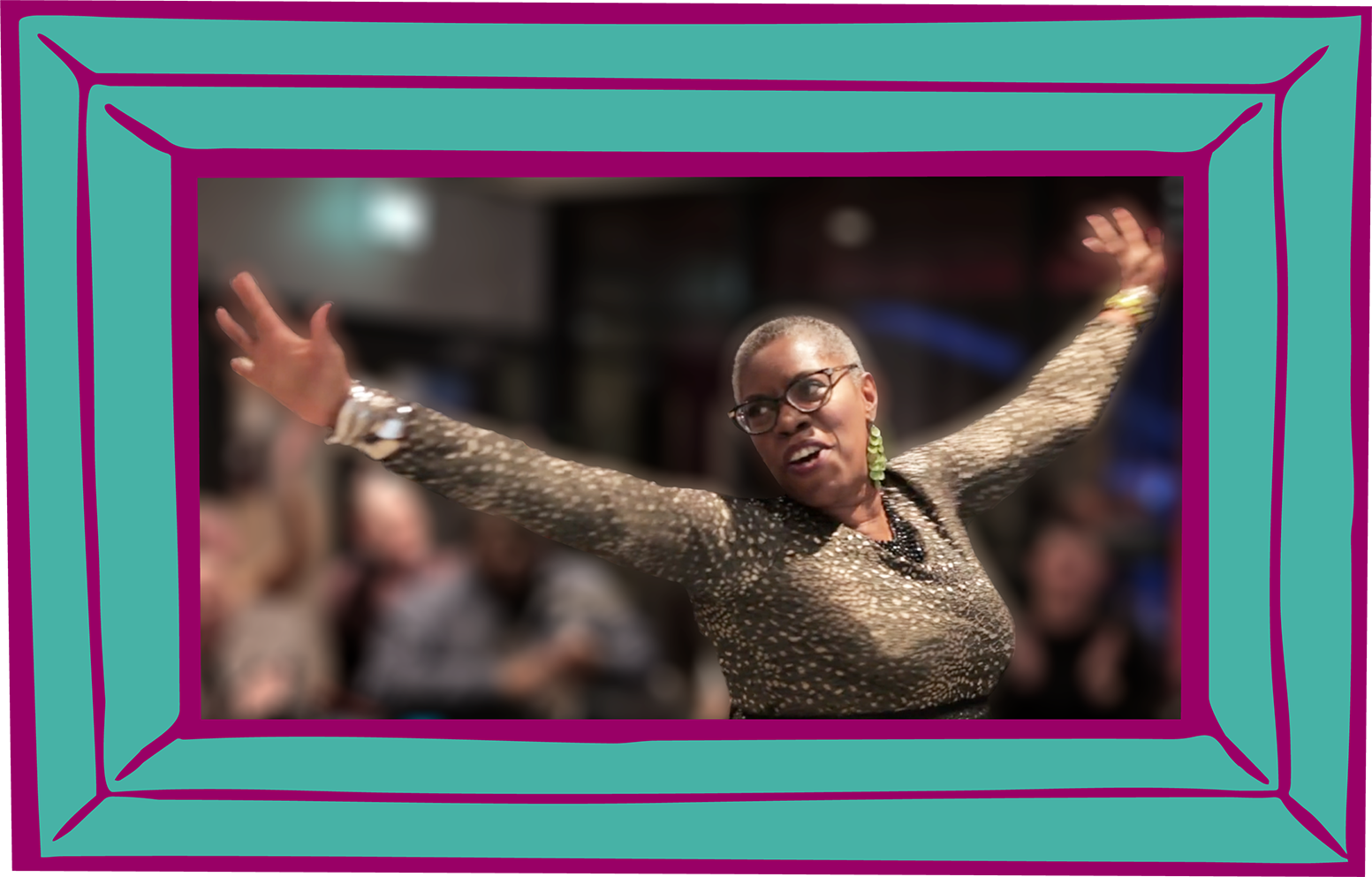
A Catwalk4Power event is an event organised by women with HIV with the aim of raising awareness of how HIV affects women. It is also an opportunity to celebrate women with HIV for who they are: for their creativity, strength, and resilience. It is a space for women to challenge negative ideas about women with HIV as powerless and victims. Instead we voice powerful, positive ideas and share good information.
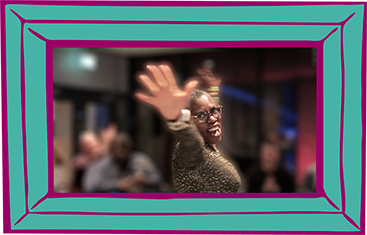
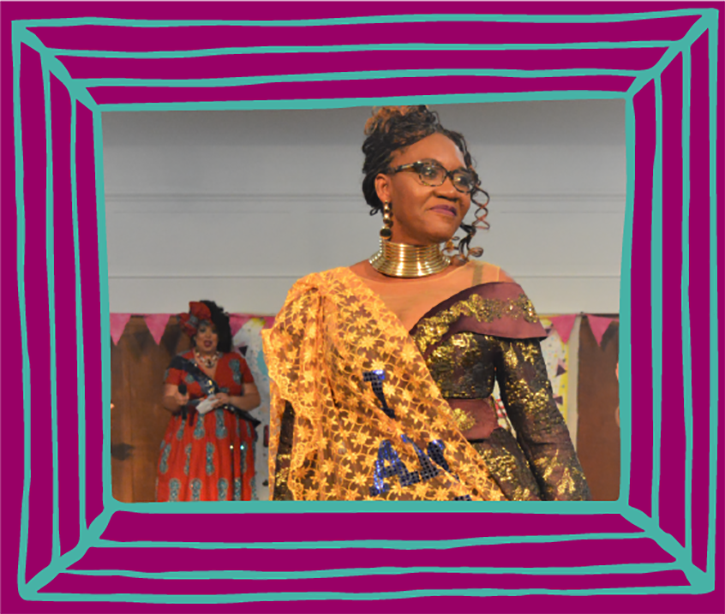
It usually includes a ‘strutting runway’ where women with HIV can walk or strut wearing outfits that they have made or styled and saying positive affirmations. A Catwalk4Power event always includes short speeches by women with HIV, collective poetry and story-telling. The audience is made up of friends, family, allies, people with HIV, doctors, nurses policy makers, V.I.Ps, and whoever women with HIV organising the event choose to invite.
Everyone can contribute and it is ok if you don’t want to participate in the final performance. Everybody at Catwalk4Power has an important place and our performances need every kind of ‘behind the scenes’ support to make it all happen too. We believe that women with HIV are fabulous, powerful, and deserve to be respected and cherished just for who they are.
Confidentiality and boundaries
When we are together as women with HIV, it is essential that we can feel as safe as possible. For many of us, coming to a group or workshop, even if it is with other women with HIV, can be a massive step. For some of us, the risk that our status may become known in the wider community, could be dangerous and may lead to repercussions; even violence. Therefore, it is important that at the beginning of every meeting everyone is reminded of the importance of confidentiality and what it means. Start by asking the group: what does confidentiality mean to you? Things to be discussed and agreed include:
- What we say and share in the group, stays in the group, and cannot be repeated outside of it.
- Things that someone tells a person one-to-one in the group shouldn’t be repeated, unless you have asked and got permission from the person.
- If we meet by chance outside the group we may not want to mention where we met, or how we know each other in front of others. Some of us may even prefer to be ignored! It is good to be extra cautious.
- It is up to individuals if they want to share phone numbers and keep in touch outside the group. Always be aware not to push, and double-check that people are comfortable with being contacted. It is ok to say no if you are not comfortable.
- Pictures taken during groups, workshops and events, cannot be shared publicly or on any social media, unless there is written consent from the participant.
The importance of being aware of past trauma and self-care
As women with HIV, many of us have experienced trauma. Maybe it was how we received our diagnosis, or we are survivors of intimate partner violence and abuse, stigma and discrimination, or any other event which has had a long-lasting negative effect on us. It is possible that some of the discussions in the group can ‘trigger’, bringing back some of the negative emotions and fears linked to a traumatic memory or situation. If this happens, it is important to do whatever we can to help each other feel safer and calmer. Everyone has different needs and ways to feel safe. It may be necessary to leave the room, talk to someone, or just ask someone to leave the room and sit with us. Sometimes talking about things that traumatised us can be quite upsetting, and it is OK if we prefer to be quiet. Focusing on our breathing, taking long and even breaths on a count, can help calm us down when we feel anxious or upset.
Example:
Breathe in for one…two…three…four.
Breathe out for one…two…three…four.
This Webinar on trauma-informed approaches for women with HIV can be useful:
Hall D and Fraser K. Becoming Trauma-Informed. 2019. 4M Webinar no. 8. Salamander Trust and 4MNetwork CIC.


Above all, it is important that we take time and energy to look after ourselves and self-care. As Audre Lorde said: “Caring for myself is not self-indulgence, it is an act of self-preservation and that is an act of political warfare”. Self-CareToolkit For Activists by FrontLine AIDS.
Listening
When one of us is having a hard time we need to really listen and pay attention to each other. We listen with our ears, eyes and hearts. We don’t have to ‘fix’ things, or have all the answers. To listen without judgement is a great gift.

Respect the ‘invisible voice’
Finally, when we are in a group often there are people who talk all the time, and people who are more quiet and don’t speak often, or at all. It is important to invite people into the conversation. We can prompt:
“What do you think of what we have just said?”
“Would like to add something else? What would you like to add?”
If possible, ask an open question that needs more than a yes or no answer. If the person still doesn’t want to contribute we can reassure them saying something like:
“It’s OK not to say anything, if you don’t feel like it.”
Alternatively, it may also be helpful to gently let dominant speakers know that the group should offer space to other less frequent speakers. For example, you could say something like:
“You have spoken a few times, could we please check if anyone else has something to contribute?”
“You have spoken for a long time, thank you so much. Could we please now invite in other ideas? Does anyone have a different opinion?” “What do others in the group think?”, etc.
The most important thing is that we are aware and respectful of everyone in the group, and we create opportunities for everyone to participate at the level they feel comfortable.

Accessibility
As women with HIV, our diverse group includes many different backgrounds and ways of living. Some of us live with other disabilities. We suggest ensuring that the needs of disabled women are addressed. For example, check and relay accessibility of all venues the group will use. We can always ask participants if they have particular needs and what support we can help to put in place, to ensure they can participate.