 Strut Six
Our Powerful Bodies – what makes women amazing?
This Strut sets out the process of making fabric-based body parts, as well as ways for dealing with emotional responses.
The Powerful Bodies crafting workshop is where women recreate different body parts from textiles. The aim of the exercise is to have lots of fun while learning about women’s anatomy and sharing discussion on women’s bodies. Key themes such as the sexualised body, reproductive health, gender identity, trauma, pleasure, and how women can be powerful, are explored through group conversation while we each stitch, glue, and stuff, sculptural body parts.
Talking about our bodies can be a highly sensitive area, as culture and society may have given us negative ideas about our bodies and attributing shame and stigma around sex and sexuality, especially for women with HIV. We advise that it is good to be clear to the group that conversation around sex and naked body parts will arise. Participants should be given the option of stepping away from the workshop and/or speaking with a peer, if they feel uncomfortable. Reassure women that they can re-join at any time. A group agreement will assist.
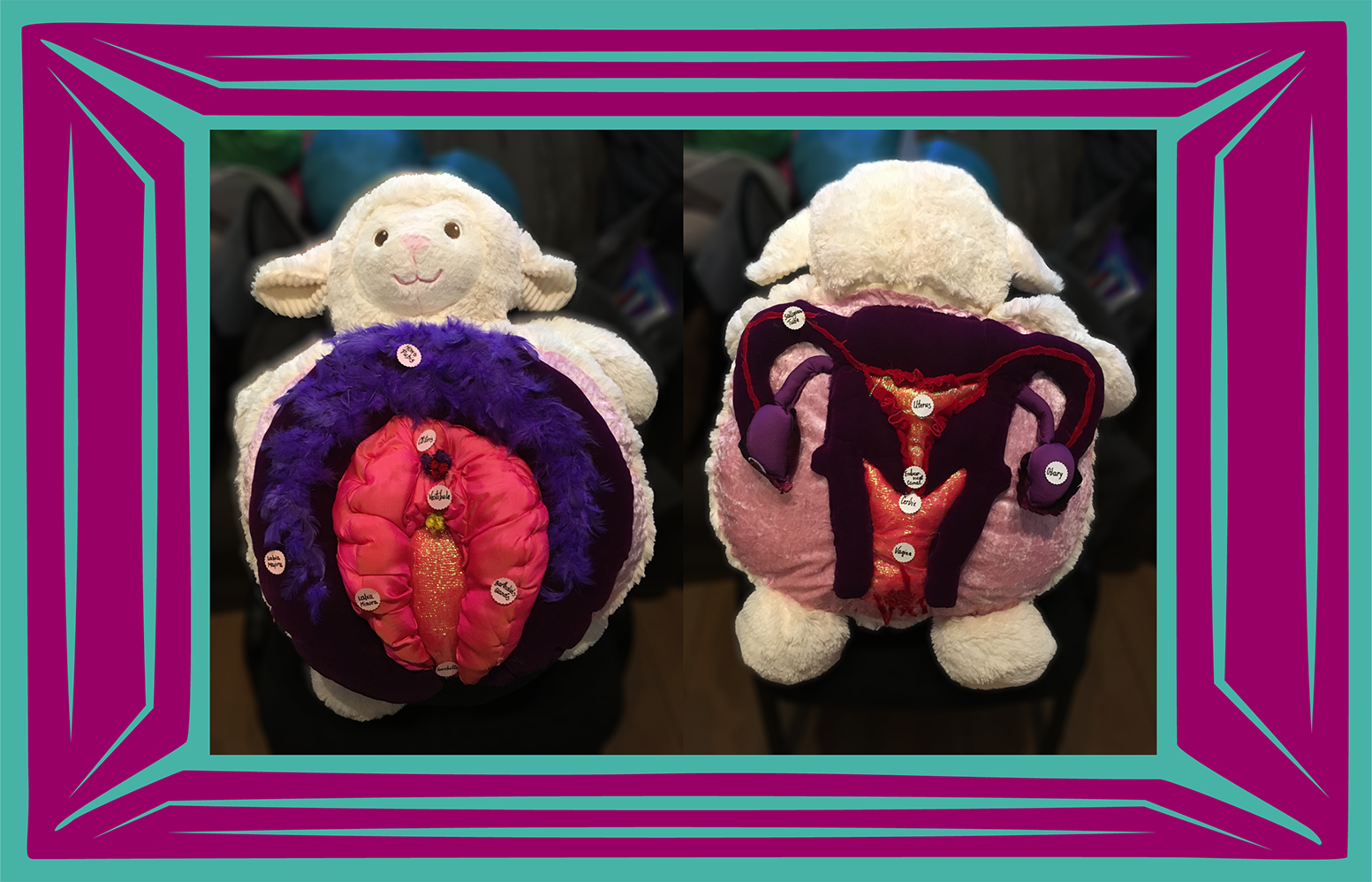
In our experience, this workshop has been facilitated by as few as one and as many as four hosts. As facilitators, we prepared in advance for the workshop by meeting up to first create parts of women’s bodies. We also came up with a script of facts about chosen parts. On the day of the workshop, individual facilitators introduced their body part, showing the group the finished object. We relayed facts relevant to body parts we produced, which included: the mouth, breasts, bottom, and vulva/vagina. We also explained how we made our body part.
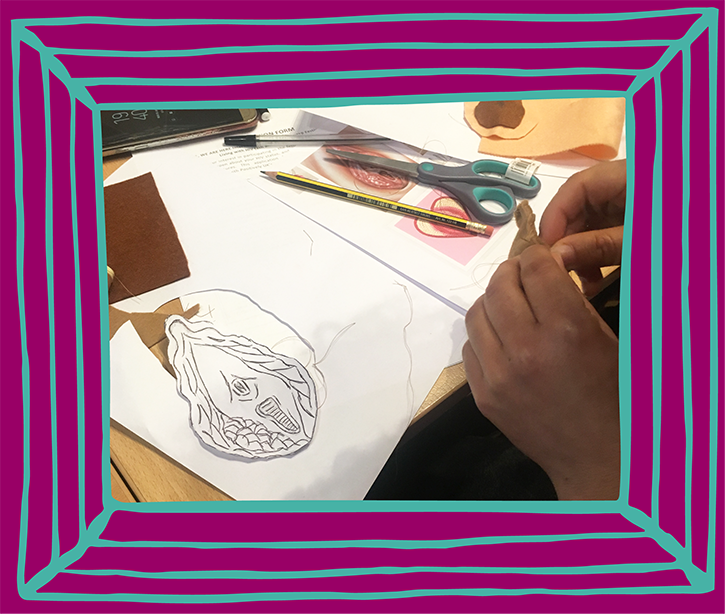
Women were encouraged to plan their design on paper first. All parts can be made as simply or as complex as time, inspiration, and skill level allow. Materials and methods included: stockings stuffed to make breasts and bottoms; felt and fabric structured to mimic layers of flesh; beads, sequins and buttons used to individualise features; feathers woven with yarns for pubic hair; and decorative stitching sewn to render form.
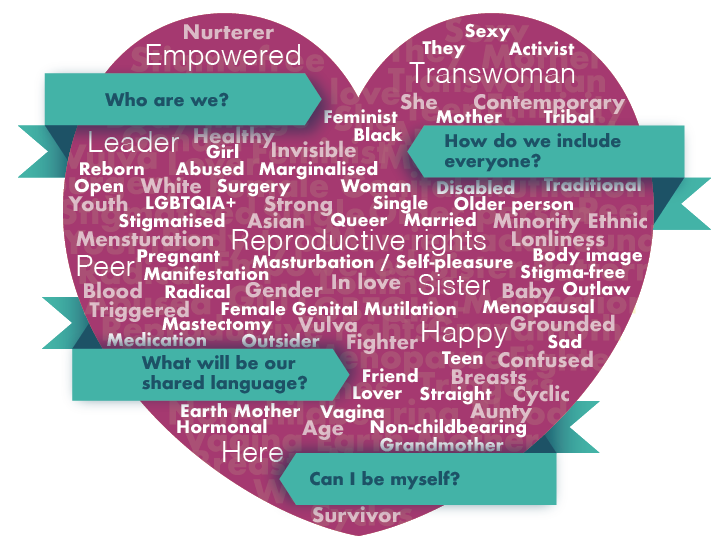
While participants worked at creating their body parts, facilitators prompted discussion. Through informal questioning and sharing, we discussed our experiences with our own bodies, our feelings about sex, pleasure, intimacy and sexual health, personal traumas, and our lives as HIV activists. As facilitators, we maintained a body positive attitude. We also checked in regularly with participants, so that we would remain observant of reactions and comfort levels.
As the workshop came to a close, each individual presented their body part to the group, explaining why they chose that part and what they had learnt during their participation. Finally, we photographed our creations. Overall, the experience was highly charged with emotion. There was a lot of laughter and learning across our mixed group. Barriers were relaxed and connections were made, as we shared new insights with one another.
Workshop framework (with 4 facilitators):
Suggested time: 3+ hours
Workshop introduction: 5 mins (one person)
Group agreement, including highlighting the designated peer supporter: 5 mins (one person)
Group introduction (all women, around the circle): 10 mins
Facilitator body part introductions with facts: 10+ mins (total time for 4 people)
Explaining the materials and making process: 10 minutes
Making time: 2+ hours
Refreshment break: as required, specific to the group
Show and tell/photography: 15 minutes

Keep a body-positive attitude and be aware that a range of sensitive issues may come up. Let people speak their own emotional stories, if they want to. Give space to the person who is sharing. Plan in advance to agree a method, post-workshop, to follow up with people and ask how they are feeling. Is there a peer supporter who can do this within your group?

In a workshop with more than six participants, share the facilitation with at least one other person. We advise not undertaking this as a single facilitator as it can be a very involved and busy session. Facilitators should be two confident crafters with shared skill levels.